

The Dangers of Laced Weed in the UK
Despite still being an illegal substance in the UK, cannabis (also known as weed, bud, Ganja, etc.) is one of the most commonly consumed substances in the country.
In the UK, it has long been reported that the frequency of individuals seeking drug and alcohol treatment services has been increasing over the past few years, including an increase from 20.9% to 22.2% of new entrants to treatment requiring support for cannabis (1).
This shows that although it is still an illegal substance, it is becoming more and more accessible to individuals and therefore causing more and more issues with addiction.
Though cannabis is not a physically addictive substance like alcohol, it can still cause serious issues within an individual’s life, including their physical and mental health.
This blog post will focus on how this is also affected by the rise of ‘lacing’ substances, what this means, and how it can cause further issue for individuals already struggling with cannabis use.
What does the term ‘lacing’ mean?
Lacing, sometimes also referred to as cutting, is a practise within drug culture that involves adding one substance to the original substance for a number of reasons, often without the buyers’ knowledge.
The results of this can be extremely dangerous; the individuals buying the substance (cannabis, in this instance) do not know that there are other substances within their drugs and this can cause a chain of effects and impacts that can be life-risking in some cases.
When the drug has been laced or cut, it is still sold under the guise of what the individual is expecting and is often done without their knowledge, though some of the ways in which this is achieved can be spotted or tested for with relative ease.
Why do people lace substances?
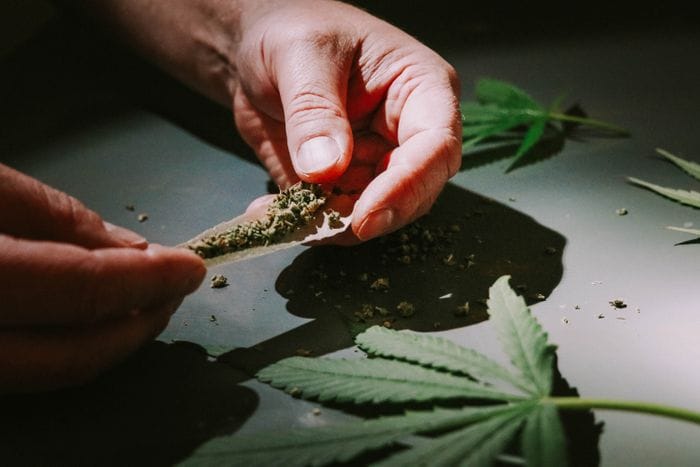
In general, most sellers of illicit substances will lace or cut the drugs that they are selling as a way to add additional weight to the drugs, therefore technically selling for a higher price, but for less of the actual substance that the buyer is expecting.
This means that the sellers walk away being more profitable, while the buyers risk serious health complications and unknown effects to the body that they are not expecting.
In the modern world, the drug-selling market is far more competitive than it used to be, with more and more individuals able to access illicit substances and sell them for a profit.
This means that these sellers are unlikely to care about their customers and the effects to their health as there is no traceability to them without the buyer themselves risking criminal charges.
For example, if an individual were to notice something laced within their weed, they could risk criminal charges if they reported this to the authorities as they would technically be in possession of an illicit substance.
This is true even if the individual is attempting to help others by warning them of the dangers – a flaw in the system.
However, individuals are still able to access emergency care should they require it. This is covered in more detail later in the blog post.
The effects of lacing substances
As mentioned previously, lacing substances such as weed is often done without the consumer’s knowledge.
This means that whatever it is laced with is unknown to the individual and can therefore cause a whole host of issues depending on what the substance is.
Though cannabis is not believed to be laced with substances as much as other addictive substances such as cocaine, it is still an issue and can result in a deadly combination in some cases.
For example, if an individual regularly smokes weed, then they are likely to be familiar with the effects and know what to expect from the experience.
However, when their weed is laced with another substance without their knowledge, this can cause unexpected and unpleasant effects.
Substances that weed can be commonly laced with
Lacing often occurs to ‘bulk up’ the substance that the seller is selling. For weed, this is often done with ‘heavy’ materials, but it has also been reported to occur with other illicit substances, as well.
The following list contains some of the most common substances that weed can be laced with:
- Lead/heavy metal – primarily included to boost the weight of the product, this can cause serious issues when inhaled/consumed
- Glass/plastic – slightly less heavy than metals, these are also materials that have been found within weed. Can be tested by scraping the weed across a surface such as a CD to check for scratches etc.
- Fungus/bacteria – often left over from the growing process, fungus can have serious impacts when inhaled/consumed
- PCP (Phencyclidine) – an illegal and hallucinogenic substance in its own right, PCP is often added to weed to boost these hallucinogenic properties
- Heroin – as an extremely addictive substance, the lacing of weed with heroin is extremely dangerous due to the risks of overdosing
- Cocaine – similar to PCP, cocaine is often laced into weed to boost the psychoactive effects of the substances together
Please be aware that this list is not exhaustive and many other substances (including illicit drugs and household chemicals) have also been found in cases of lacing weed.
Addiction and lacing
When an individual is addicted to cannabis, they will continue to seek out and consume the substance, even if they experience negative long-term impacts as a result of this.
In most cases, the individuals are fully aware of these effects but continue to seek out cannabis regardless due to the ways in which cannabis has impacted their brain and their thought patterns concerning the substance.
If an individual who is addicted to cannabis begins to experience lacing, this can become a much more serious issue than it already is.
This is because individuals who are addicted often consume large quantities of the substance in an attempt to overcome their tolerance to the substance that their body has built up over time.
This means that whatever their weed may be laced with, they are likely to experience far more severe impacts due to the increased quantity of this in what they are consuming.
Cannabis addictions
Cannabis is not a physically addictive substance, meaning that it does not infiltrate the body’s processes as much as physically addictive substances such as alcohol or heroin.
However, this does not mean that a cannabis addiction should be discounted as “less serious” or “not as big a risk” as addictions to other substances and requires just as much care and rehabilitation as all other addictive substances.
However, being a non-physically addictive substance, this often means that the withdrawal process comes with fewer risks and can be done in a relatively shorter time frame than other substances.
For example, with alcohol addictions, the individual must withdraw slowly over time (often with a medical intervention to avoid life-threatening complications), whereas with cannabis it is often the case that the individual can stop consumption in one sudden change, though this must always be discussed with a medical professional.
The process of recovering from an addiction

When it comes to rehabilitation for cannabis, there are generally three key stages that an individual must progress through, and this should be something all individuals look for, especially if they are seeking rehabilitation by themselves and without the support of an addiction referral service such as Rehab Recovery.
Without these three stages, individuals are unlikely to make beneficial progress within a rehabilitation programme and may repeat this many times over a long period of time before they see any results.
The three key stages are as follows:
- Detoxification – the stage in which the individual withdraws from the substance that they are addicted to, dealing with the physical (and mental) health issues that may arise as a result of this.
- Rehabilitation/therapy – the stage in which individuals will focus on the root cause of their addiction, as well as the mental health impacts that their addiction has had on them and their lifestyle.
- Aftercare – referring to any additional care received after the bulk of the individual’s treatment in rehabilitation, this is an ongoing process, with as much or as little supervision and support as the individual requires.
I think that my weed was laced: what do I do?
As mentioned previously in this blog post, individuals can still be criminally charged if they attempt to turn in laced weed to the authorities, even if this is done in attempt to help or warn others, as they are still technically in possession of an illegal substance.
However, if you or someone you know is experiencing adverse effects as a result of a substance that may have been laced, the emergency services are far more concerned with the individual’s health rather than their engagement in illicit activities.
In all cases of emergencies, the suitable emergency services should be sought, and individuals should seek suitable medical attention as soon as possible.
Getting further help today with Rehab Recovery
To learn more about lacing, cannabis as a substance, and the risks of this (including addiction), please do not hesitate to contact Rehab Recovery today at 0800 088 66 86.
With years of experience, we are ready and waiting to help you or someone you know find the help you need. Call our addiction hotline today to start your rehabilitation journey.
References
[1] Gov.UK; Office for Health Improvement & Disparities; Adult substance misuse treatment statistics 2024 to 2025: report; 4 December 2025; https://www.gov.uk/government/statistics/substance-misuse-treatment-for-adults-statistics-2024-to-2025/adult-substance-misuse-treatment-statistics-2024-to-2025-report
- Share Post: