

- Home
- Addiction Guides
- Foods That Stop Alcohol Cravings
Foods That Stop Alcohol Cravings
Alcohol cravings can be experienced by many different individuals, whether they are struggling with an alcohol addiction (alcoholism), or if they have a tolerance to alcohol already in their system.
When individuals experience cravings, they are likely to feel an intense urge to consume the substance, and it can be hard for them to think about anything else in the meantime.
Cravings can occur randomly or be triggered by specific events, meaning that they are often hard to predict and therefore harder to counter or prepare for. This often means that individuals who experience cravings are likely to ‘give into’ them – especially if they have not had therapy or rehabilitation to help teach them.
This blog post will cover alcohol cravings specifically and how individuals can use food and drink to overcome these in some cases. Please be aware that the best method for overcoming alcohol cravings is to attend specialist alcohol rehabilitation, but this will also be covered later in this blog post.
Alcohol and addiction: why alcoholism is dangerous

Alcohol as an addiction is one of the most dangerous addictions that individuals can struggle with. This is because, in terms of the ways that the body is impacted, it is similar to substances such as heroin and other opioids.
Alcohol is physically addictive, meaning that when an individual is addicted and consuming the drug regularly, it becomes an integral part of the body’s functioning.
Withdrawing from alcohol is therefore one of the most dangerous withdrawals due to the ways in which the body must alter and adapt to the lack of alcohol in the system.
In cases of severe alcohol addictions, the withdrawal process can cause some individuals to suffer with alcohol withdrawal syndrome (AWS) – a serious withdrawal disorder which can range from insomnia and headaches to seizures and delirium tremens (1).
Withdrawing from alcohol, whether this is carried out with Rehab Recovery or another rehabilitation service provider, should always be supervised and with full approval from a medical professional.
Rehabilitation and overcoming cravings

Alcohol rehabilitation is essential for any individual who is struggling with alcoholism. This is because alcoholism does not simply ‘go away’ after a while and some of its impacts can be lifelong if not treated appropriately and within a certain timeline.
During rehabilitation, individuals will have the opportunity to focus on their physical health recovery through detoxification/withdrawal, but they will also receive focus to their mental health.
This is achieved through different therapy sessions, as well as other treatment programmes that are considered more holistic.
During this time, individuals will be taught specific and specialist methods to overcome cravings when they arise, as well as instruction on how to take this beyond their rehabilitation programme and long into the future.
This will help the individual to deal with cravings in the future when they return to their everyday life but will also help with identifying triggers and other stimulating factors that may affect their risk of relapse.
How to curb a craving: stopping it before it begins

The first step to curbing alcohol cravings is to first understand what a craving is, how it may affect the individual, and why this is completely valid.
When individuals are addicted, the reward region of the brain is often activated, meaning that individuals often trigger a biological reward response when consuming the substance that they are addicted to.
This can quickly become a vicious cycle, even if the individual is aware of the negative long-term impacts that these cravings can have in the future.
Best foods and/or drinks to help alleviate alcohol cravings

As mentioned in the introduction, the best way to alleviate alcohol cravings and learn to deal with them in the long-term is to attend rehabilitation.
This can be done in the individual’s local area while they continue to live at home, but most individuals will benefit from residential care where emergency care can be received and support is available 24/7.
In addition to this, some individuals may benefit from eating or drinking specific foodstuffs or non-alcoholic beverages to aid in their overall recovery.
The following subheadings outline some of the key food/drink groups that may benefit an individual who struggles with alcohol cravings, including the reasons why they are beneficial and how an individual should consume them to get the most benefits.
1. Carbohydrates
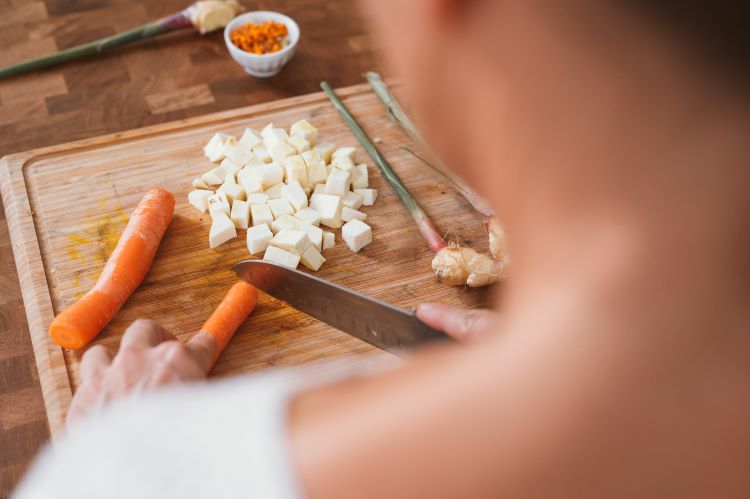
Though there is much variation in how carbohydrates can help alcohol metabolism (2), the general consensus in the research community is that carbohydrates can help individuals who may have already consumed alcohol.
Alcohol itself contains ‘simple carbs’ which can trigger the craving for more once it has already entered the system.
This is why eating complex carbs such as bread, pasta, or wholegrain rice can greatly help with alcohol cravings. They are broken down more slowly in the body compared to carbs in alcohol, prolonging the effects and increasing the individual’s energy levels over time.
Complex carbs can also help an individual to feel full for longer – another benefit in the consumption of carbohydrates compared to the consumption of alcohol.
2. Fresh fruits and vegetables

As a suitable suggestion for another stage of the alcohol cravings and rehabilitation process, fresh fruit and vegetables may be beneficial in the withdrawal stage.
This is mainly due to the lack of dopamine in the body during the withdrawal stage. Eating fresh fruit and vegetables during this time may not have an impact on the individual’s physical health, but it can be beneficial for their mental health.
Fruit and vegetables such as bananas, strawberries, oranges, figs, spinach, and broccoli can all help to boost dopamine levels and aid in maintain/restoring vitamin B levels.
Vitamin B is also important as it helps the body to produce energy, maintain nerve functioning, and aid cells in metabolism of different chemical and hormones.
3. Dairy products
Mainly as a way to keep the individual feeling full (as well as a host of other health benefits), dairy products can be beneficial in curbing alcohol cravings.
As well as psychologically being a liquid and potentially “tricking” the mind, dairy products such as milk are also good for the gut and digestion, as well as maintaining vitamin D levels, potassium, and protein.
All dairy products should be consumed in moderation and all individuals who have allergies/intolerances should be aware of their body’s needs, seeking alternatives where possible and avoiding all further risk to their body’s functioning.
4. Chicken and fish

Similar to dairy products, chicken and fish are also rich in proteins – something that has been linked to improved sleep and a lift to overall mood.
These are both things that can cause alcohol cravings, meaning that individuals can often keep on top of their diet and therefore mediate their mood more effectively when experiencing cravings, lowering the risk of experiencing them as frequently in the future.
Again, individuals will intolerances or allergies can seek alternatives; there are many different forms of protein in the modern world that do not always involve meat-based products.
5. Nuts
As a final suggestion, many individuals who are experiencing alcohol cravings and/or attending alcohol rehabilitation may be recommended to eat foods such as nuts.
As a quick and easy snack, nuts are also rich in a number of different vitamins and other beneficial chemicals such as a healthy fat source, vitamin E, minerals, iron, calcium, magnesium, and zinc.
In general, foods such as nuts are often recommended as snacks between meals that can help to curb cravings and keep the individual from feeling hungry throughout their recovery process.
How Rehab Recovery can help you or someone you know starting as soon as today

Rehab Recovery is a specialised addiction referral service, meaning that we help individuals to find the most suitable form of rehabilitation for them and their needs.
Whether this is something closer to home or in a residential setting, our friendly and professional team have helped countless individuals to find the most effective form of rehabilitation for them, including different treatment programmes, diet suggestions, and other advice.
Through our referral service, we are able to offer free and confidential advice, as well as helping the individual through different application processes for the most suitable form of rehabilitation for them.
No matter whether the individual has been addicted to a substance for a week or for decades, our addiction support hotline is completely non-judgemental and ready and waiting to help you or someone you know.
To find out more, or to see how we can help you or a loved one get the help they need as soon as possible, call our addiction support line on 0800 088 66 86 today.
References
[1] Bayard, M., Mcintyre, J., Hill, K.R. and Woodside, J., 2004. Alcohol withdrawal syndrome. American family physician, 69(6), pp.1443-1450.
[2] Marks, V., 1978. 5 Alcohol and carbohydrate metabolism. Clinics in endocrinology and metabolism, 7(2), pp.333-349.
- Share Post: