

How To Stop Feeling Dizzy After Drinking
If you have ever had one too many drinks, then you will know that feeling dizzy after drinking alcohol is a common experience, but that does not make it any less unpleasant.
Whether you wake up with a spinning headache after a night out or feel lightheaded whilst recovering from a hangover, dizziness can interfere with your life.
This includes your ability to work, your ability to drive, your exercise, and your ability to carry out everyday tasks for loved ones.
For most people, experiencing dizziness after drinking alcohol is simply the result of dehydration and poor sleep [1]. However, for others, it may be a warning sign that alcohol is affecting their health in a more serious way.
Frequent episodes of dizziness after drinking alcohol can also indicate an alcohol addiction, especially when the individual is struggling to control how much alcohol they are drinking.
In this blog, we will explain why people experience dizziness after drinking alcohol, how long it typically lasts, the most effective ways to recover from dizziness and when it may be time to seek professional help and support for an alcohol addiction.
Why Do I Feel Dizzy After Drinking Alcohol?
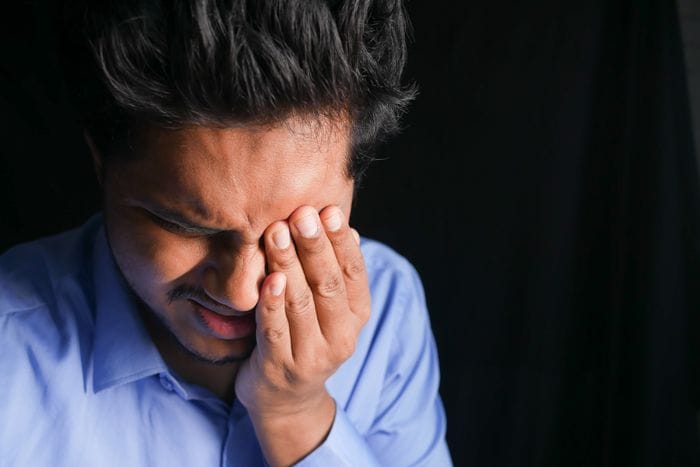
Everyone knows that drinking alcohol on a regular basis impacts multiple systems in the body. It influences your brain, inner ear, blood vessels, sleep cycle, blood sugar levels and hydration [1].
As alcohol is processed by the body and your body is impacted, you are likely to experience light-headedness, loss of balance, vertigo (feeling like the room is spinning) as well as weakness, unsteadiness and issues concentrating [1].
How severe your dizziness depends on how much alcohol you consumed, how quickly you consumed it and whether or not you had eaten any food before you consumed alcohol. How severe your symptoms will be will also likely depend on your overall health, too.
In fact, being dehydrated is one of the most common causes of dizziness after drinking alcohol.
This is because drinking alcohol increases urine production, which causes the body to lose fluids and electrolytes. This can result in headaches, fatigue, increased thirst and increased dizziness.
Common Causes of Dizziness After Drinking
Below are some of the most common causes of dizziness after drinking alcohol.
1. Dehydration
As discussed above, dehydration is one of the most common causes of dizziness after drinking alcohol. This is because alcohol acts as a diuretic, meaning that it encourages the body to lose water through increased urination.
When water levels drop in your body, blood volume can decrease, making it harder for the body to maintain normal blood pressure. This can lead to feelings of dizziness, especially when you try to stand up quickly.
There are a number of signs and symptoms that someone is hydrated, including a dry mouth, being excessively thirsty, feeling tired, experiencing headaches, noticing dark-coloured urine and dizziness when you stand up.
This is why drinking lots of water and replacing lost fluids after drinking alcohol is often one of the most effective ways to ease alcohol-related dizziness.
2. Low Blood Sugar
In addition to dehydration, alcohol can interfere with the body’s ability to regulate blood sugar levels. This is especially common when people start to drink alcohol on an empty stomach. Low blood sugar can produce symptoms such as shakiness, excessive sweating, feeling weak, feeling dizzy and feeling confused.
One way to combat low blood sugar after drinking alcohol is to make sure that you are eating balanced meals before and after drinking alcohol.
3. Sleep Issues
Likewise, many people who drink excessive amounts of alcohol also experience sleep issues, which can result in dizziness.
Whilst alcohol can initially make you feel drowsy; it often reduces your quality of sleep and causes people to wake up frequently throughout the night.
Poor sleep can also leave you feeling exhausted and dizzy the following day. This is because alcohol is known to disrupt your sleep cycles, contributing to fatigue and impaired concentration throughout the day.
4. Inner Ear Disturbances
One unsurprising cause of feeling dizzy is the inner ear issues. This is because your inner ear plays a major role in maintaining your balance.
Drinking alcohol can impact the fluid within the inner ear, making it harder for the brain to acknowledge movement and position accurately. This is one reason why some people experience vertigo or feel as though the room is spinning after drinking too much alcohol.
How Long Does Dizziness Last After Drinking?
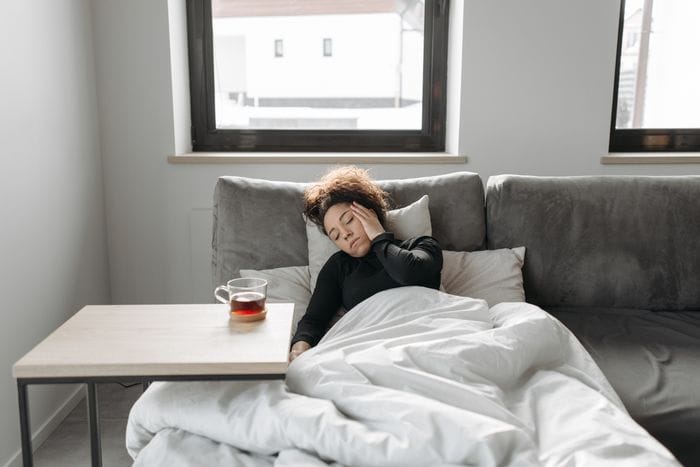
How long you feel dizzy after drinking alcohol will depend on a number of different factors. For most people, levels of dizziness improve within just a few hours after drinking or waking up the next day, as hydration levels recover and alcohol leaves the system.
A typical hangover can last up to a day, although some symptoms might linger longer after heavy drinking sessions or if your health is in poor conditions.
There are actually a number of factors that impact how long your recovery takes, some of which are listed below.
- How much alcohol you have consumed
- Your body weight
- Your age
- Whether or not you have any existing health issues
- How hydrated you are
- How well you tend to sleep
- How often you tend to drink
People experiencing alcohol addiction might notice dizziness lasting longer due to ongoing withdrawal symptoms or the cumulative effects of alcohol on the body.
How To Stop Feeling Dizzy After Drinking Alcohol
Below are a number of tips and tricks on how you can reduce your levels of dizziness after drinking alcohol [2].
1. Drink Plenty of Water
The best way to stop feeling dizzy after drinking alcohol is to make sure that you are hydrated by drinking enough water. Drinking water helps to replace fluids lost through drinking alcohol and can support your recovery from dizziness.
Many people find it helpful to sip water regularly throughout the day whilst they are drinking, rather than drinking large amounts at once after you stop drinking alcohol. Sports drinks or oral rehydration solutions can also help restore the amounts of electrolytes in your body.
2. Eat Healthy Foods
Food can help stabilise blood sugar levels and provide nutrients needed during recovery. This is why you should focus on eating wholegrain foods, fruits, vegetables, lean protein and a lot of soups and broths which will help you to feel hydrated.
If you start to feel nauseous or sick after drinking alcohol, then start with bland foods such as toast, crackers or bananas.
3. Get Enough Rest
It is very clear that after drinking alcohol, your body needs time to recover. This is why you should avoid a lot of exercise if you are feeling dizzy. Instead, you should prioritise sleep and relaxation, allowing the body to restore hydration levels and recover from the effects of disrupted sleep.
4. Move Slowly
As discussed above, if you are already suffering from dizziness or vertigo then standing up too quickly can worsen your symptoms.
If you feel unsteady on your feet, then you should immediately sit down and rise slowly from the chair or from the bed. You should always hold onto stable surfaces when walking and avoid any sudden movements, especially to your head.
5. Avoid Drinking More Alcohol
Some people attempt to cure a hangover by drinking more alcohol. This approach simply delays your recovery and can worsen your symptoms later down the road.
If drinking alcohol is causing you to feel dizzy, then adding more alcohol to the system is unlikely to help your symptoms.
For those struggling with an addiction to alcohol, this pattern can become part of a cycle that reinforces your addiction issues and delays you when it comes to seeking treatment.
6. Limit How Much Caffeine You Drink
Although drinking coffee might help you to feel more alert temporarily, excessive amounts of caffeine can make you feel more dehydrated and can also potentially worsen your dizziness. This is why you should focus primarily on drinking water.
What Helps Vertigo After Drinking?
Vertigo is different from ordinary dizziness. Instead of feeling lightheaded, vertigo creates the feeling that you or your surroundings are spinning.
There are a number of different reasons why you experience vertigo, and if your vertigo symptoms persist then you should consider speaking to your doctor about your symptoms.
To reduce your vertigo symptoms, you should try to stay seated or lie down, focus on a fixed point, lower your lighting in the room and drink lots of water.
You should also avoid any sudden head movements and prioritise your rest until your vertigo goes away.
When Does Dizziness Indicate a Bigger Problem?
It is important to remember that occasional dizziness after drinking alcohol is common. However, repeated episodes of dizziness should not be ignored.
You should consider speaking to a healthcare professional if your dizziness occurs frequently, your symptoms worsen over time and if you regular black out after drinking alcohol.
You should also seek help if you struggle to control how much alcohol you consume, as you might be suffering from an alcohol addiction. It is important to understand that long-term alcohol abuse can affect the body’s nervous system, your cardiovascular system and overall your physical health.
How A Medical Detox Can Help
For people who have become physically reliant and dependent on alcohol, stopping drinking alcohol suddenly can be dangerous. This is why a professional alcohol detox programme provides you with medical supervision whilst the body clears alcohol from the body.
There are a number of benefits associated with a medical detox, including some of those listed below for you:
- Around the clock monitoring of your withdrawal symptoms
- Improved levels of safety
- A reduced risk of complications
- Better access to professional medical support
- A steady and structured environment for your recovery
Many people find that symptoms such as dizziness, poor sleep and fatigue improve significantly after completing a medical detox and recovering from addiction.
Therapy Treatment for Alcohol Addiction
When recovering from a drug or alcohol addiction, it is important to understand that a medical detox is often the first stage of treatment. Once you complete your medical detox, you will then undergo therapy to help to address the psychological aspects of your addiction as well.
There are a number of different rehab therapy techniques, including one to one therapy, group therapy, family therapy, cognitive behavioural therapy, motivational interviewing and holistic therapy.
By undergoing this type of therapy treatment, you stand a better chance of understanding the underlying causes of your addiction and are able to develop healthier coping strategies moving forward.
Conclusion
It is important to understand that feeling dizzy after drinking alcohol is usually linked to a number of issues including dehydration, disrupted sleep or low blood sugar. In many cases, dizziness symptoms improve with enough rest, hydration and time.
However, recurring dizziness should not be dismissed as just another hangover. Instead, it could be a sign that alcohol is having a greater impact on your health than you might realise.
If your drinking has become difficult to control, or if you experience withdrawal symptoms when you stop drinking alcohol, then you might be experiencing a dependence or addiction to alcohol, and professional help might be needed.
If you want to recover from your alcohol addiction, then you will need to undergo a medically supervised detox and therapy. This type of treatment will provide you with the treatment and support necessary to overcome your addiction and build a healthier future for yourself and for those around you.
References
[1] https://pmc.ncbi.nlm.nih.gov/articles/PMC12823966/
[2] https://pmc.ncbi.nlm.nih.gov/articles/PMC6761819/
- Share Post: