

Mephedrone Withdrawal
A Mephedrone withdrawal can be an uncomfortable and emotionally challenging experience for anyone, but particularly for those who have used the drug regularly and over a long period of time.
Although many people associate a drug or alcohol withdrawal with substances such as heroin, alcohol or benzodiazepines, there are other stimulant drugs such as mephedrone that can also produce significant withdrawal issues that make recovery and detox very difficult without the right support [1].
Mephedrone is commonly known by the public as M-Cat, Meow Meow or 4-MMC, and is a synthetic stimulant drug that became increasingly popular across the UK during the late 2000s [1].
It was initially marketed as a legal high, and the drug gained a reputation for producing feelings of euphoria, confidence and increased energy.
However, many users soon found that it became incredibly easy to become addicted to Mephedrone, as repeated use often increased cravings, worsened mental health symptoms and resulted in a powerful cycle of addiction.
If you or someone you know is experiencing a mephedrone withdrawal, then understanding what to expect can make the detox process feel less daunting.
With the right rehab support and professional treatment, recovery from a Mephedrone addiction is entirely possible.
What Is Mephedrone?
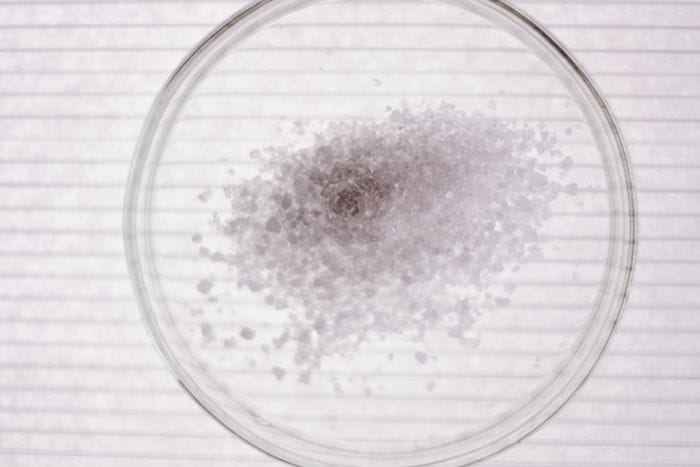
Mephedrone belongs to a class of drugs known as synthetic cathinones, which are closely related to amphetamines. Its effects are often compared to the likes of cocaine, MDMA and amphetamine due to the very similar stimulant effects it produces.
People who abuse Mephedrone commonly report increased confidence, feelings of euphoria, enhanced sociality, increased energy and better alertness.
People have also experienced a reduced appetite and an increase in sexual drive.
Whilst these effects might initially appear appealing to some, the effects often don’t last long. As the effects wear off, many individuals experience a range of very unpleasant and undesirable comedown and withdrawal symptoms, which often encourages further use to escape the side effects.
This repeated cycle of using, crashing and using again can rapidly lead to an addiction and dependence.
This has now also been proven to lead to a range of socio-economic issues, due to the financial difficulty a drug addiction can lead to as well as the fact that Mephedrone addiction has been linked to an increase in violence and anti-social behaviour [2].
Can You Become Addicted to Mephedrone?
Yes. Despite early misconceptions surrounding the drug, Mephedrone can be a highly addictive substance.
One of the reasons why a Mephedrone addiction develops so quickly is because of the intense cravings that people experience as the drug begins to leave the body.
Many people find themselves taking more of the substance in an attempt to experience the euphoric effects.
Over time, the brain and body become accustomed to the substance, especially the amount of serotonin that Mephedrone produces. Eventually, the brain struggles to regulate these chemicals naturally without the drug.
When this happens, stopping use suddenly can trigger a range of withdrawal symptoms and can make recovery extremely difficult without the use of professional rehab treatment and a medical detox.
Why Does a Mephedrone Withdrawal Happen?
A Mephedrone withdrawal happens because the brain and body have adapted to life with the drug and chemicals.
Mephedrone significantly alters the way neurotransmitters involved in mood, pleasure and motivation work within the brain.
Once people stop using the substance suddenly, the body needs time to get used to the normal chemical balance again. This adjustment period is often what causes withdrawal symptoms.
Although withdrawal from stimulant drugs is often less physically dangerous than an alcohol withdrawal, the psychological symptoms can be very severe and frequently lead to a relapse if the person does not have the right support.
Common Mephedrone Withdrawal Symptoms

There are a number of very common withdrawal symptoms when it comes to a Mephedrone withdrawal.
Withdrawal symptoms vary depending on a number of different factors, including how long you have been abusing the substance for, how much you typically consume, how often you take it and whether or not you suffer from any other addictions or health problems.
It is important to understand that some people experience relatively mild withdrawal symptoms, whilst others find the withdrawal incredibly overwhelming, suffering from severe withdrawal symptoms.
There are a number of common Mephedrone withdrawal symptoms, including some of those listed below for you.
1. Intense Cravings
Cravings are one the most difficult aspects of a Mephedrone withdrawal.
A craving is the desire to use again and can feel very overwhelming during the first few days of your detox, especially for people who associate the drug with socialising, nightlife or use it as a stress relief.
2. Depression
Low mood and depression are extremely common during the withdrawal process. Some individuals describe feelings of emptiness, hopelessness or even emotional numbness during the early stages of their detox and withdrawal.
3. Anxiety
Anxiety often increases significantly once the individual’s Mephedrone use stops.
Individuals are likely to experience excessive worrying, restlessness, panic attacks, feelings of dread and simply difficulty when it comes to relaxing.
4. Fatigue
After abusing the drug for an extended period of time and then withdrawing from the substance, the body often enters a period of exhaustion. Many people report sleeping for long periods of time during the early recovery stages as the body begins to recover from weeks or months of disrupted sleep.
5. Irritability
Mood swings and irritability are particularly common during the detox process. Even just small frustrations can feel overwhelming, and your emotional responses might present differently during this time.
6. Sleep Issues
A number of people experience a range of issues such as insomnia, whilst others sleep excessively. Sleep patterns generally begin to stabilise as the recovery progresses, but this can take time.
7. Increased Appetite
Many people who abuse drugs find that it suppresses their appetite. However, when Mephedrone use stops, hunger often returns quickly and some people notice a rapid weight gain during the early recovery stages.
8. Poor Concentration
Difficulty in focusing and memory problems are very common during the withdrawal process. However, these cognitive symptoms usually improve significantly within just a few weeks.
The Mephedrone Withdrawal Timeline
It is important to understand that every detox experience is different. However, many people follow a broadly similar timeline when it comes to their withdrawal.
Withdrawal symptoms can begin surprisingly quickly after the individual’s last dose. For many people, they will experience a range of symptoms during this stage including cravings, anxiety, fatigue, low mood and irritation,
The first week is often the most difficult part of the Mephedrone detox.
During this time, your withdrawal symptoms will intensify significantly, experiencing the likes of depression, anxiety, lack of motivation, sleep issues and an increase in appetite.
Unfortunately, this period carries the highest risk of a relapse, especially if the individual is attempting to detox without the help of rehab support.
Within the first two to four weeks, your physical symptoms will start to slowly improve during this stage. However, you are still likely to experience a range of psychological symptoms for a number of weeks or even months after initially detoxing.
One month after detoxing, you are likely to have overcome the majority of your withdrawal symptoms, although some people experience prolonged symptoms known as post-acute withdrawal syndrome.
These symptoms can include mood swings, sleep issues, cravings, anxiety and concentration issues that can last a number of weeks or even sometimes months after initially detoxing.
For this reason, ongoing rehab support and aftercare remain incredibly important long after the individual’s initial detox has finished.
Is a Mephedrone Withdrawal Dangerous?
Whilst a Mephedrone withdrawal is not usually considered medically dangerous in the same way as alcohol or benzodiazepine withdrawal, this does not mean it should be underestimated.
There are a range of psychological symptoms associated with an addiction withdrawal that can be severe and occasionally will require medical intervention.
Some individuals experience depression, suicidal thoughts, panic attacks, psychosis and extreme discomfort, both physically and mentally.
For individuals with existing mental health issues, the withdrawal stage can become particularly challenging.
Can You Detox from Mephedrone at Home?
Some individuals attempt to complete their medical detox in the comfort of their own home.
Whilst this may be possible for some people with mild addiction issues and a strong support network at home, it is important to understand that it is not suitable for everyone.
This is because a home detox will still allow you to gain easy access to drugs, does not provide a sense of accountability and might contribute to any pre-existing feelings of depression or isolation.
For people with moderate or severe addiction, a home detox is simply not possible. Inpatient drug and alcohol rehab often offers the safest environment for your detox and long term recovery, as removing access to the drug significantly reduces the likelihood of relapse during the early stages of the detox process.
What Happens During a Mephedrone Detox?
During your Mephedrone detox, you will slowly withdraw from taking the addictive substance. Your professional detox treatment will begin with an assessment carried out by addiction specialists.
They will assess you on your drug history, your physical and mental health, whether or not you suffer from any pre-existing health issues and what your current symptoms are
Unlike an alcohol detox, there is currently no medication specifically designed to treat a Mephedrone withdrawal.
Instead, your treatment will focus on managing your withdrawal symptoms and supporting your long term recovery.
This could include medical monitoring, nutritional support, sleep management, mental health support and therapy and mental wellbeing support.
The primary aim of your detox is to stabilise your body physically before you undergo therapy for your addiction, which aims to tackle your mental health symptoms and get to the root cause of your addiction.
Why Therapy Is Important After a Detox

Whilst the medical detox addresses your physical addiction, you will also need to attend therapy to address the psychological side of your addiction.
Without addressing the underlying causes of your addiction, a relapse will likely follow shortly after your detox ends.
Inpatient drug and alcohol rehab programmes focus on identifying and treating any mental health issues, as well as identifying the factors that have contributed to your addiction in the first place.
Common issues include trauma, depression, anxiety, relationship issues, stress and social pressures. Drug and alcohol rehab allows individuals to explore these issues in a safe and structured environment and provide the right aftercare and support to ensure that people do not go on to relapse later down the line.
Therapy Techniques Used for a Mephedrone Addiction
There are now a number of therapy techniques used to treat addiction issues, and most rehab programmes up and down the country tend to use a combination of techniques to treat a wide range of addiction issues and mental health conditions.
These may include cognitive behavioural therapy, group therapy, family therapy and holistic therapy.
Signs That You Might Need Professional Help
Unfortunately, many people delay seeking treatment because they believe they should be able to stop on their own, or because they dread the detox and withdrawal process.
However, professional addiction treatment will be beneficial and is the fastest way to recover from your addiction.
There are a number of signs that you or someone you know is suffering from an addiction and needs professional help, including some of those listed below for you:
- You experience cravings when not consuming the substance
- You repeatedly return to using Mephedrone after attempting to stop
- Your drug use is now affecting your work or your education
- Your relationships are suffering as a result of your addiction
- You use larger amounts than what is intended
- You spend significant amounts of money on your addiction
It is important to understand that the earlier addiction treatment begins, the greater the likelihood of your long term recovery is, and the less severe your withdrawal symptoms will be.
Conclusion
As discussed, a Mephedrone addiction can feel overwhelming, especially when withdrawal symptoms begin to take hold. The combination of excessive cravings, depression and anxiety often convinces people to relapse.
However, it is important to understand that with the right help and support, thousands of people recover from their Mephedrone addiction every year.
The first few days of withdrawal are often the hardest, although symptoms gradually improve over time as the brain and body start to overcome the dependence and addiction.
Whether you have been using Mephedrone for several months or a number of years, support is available to you and seeking help for addiction is not a sign of weakness.
Instead, it is the first step towards regaining control of your life, rebuilding your health and creating a better future for yourself that is free from addiction and drugs.
References
[2] https://business.senedd.wales/documents/s32608/LH%2001%20South%20Wales%20Police%20-%20Annex%20A.pdf
- Share Post: