

Can GLP-1s Like Mounjaro Help Reduce Alcohol Intake?
Mounjaro (tirzepatide) and other GLP-1 medications have seen rising popularity over the past few years.
Known primarily for their weight loss impacts, these drugs have also been linked to having an influence on alcohol cravings, according to recent research.
This blog will explore what exactly GLP-1 medications are and if they could play a role in helping to reduce alcohol intake.
What Are GLP-1 Medications?
GLP-1, also known as glucagon-like peptide-1, is a hormone that’s naturally produced by the body to help regulate blood sugar and appetite.
Drugs such as Mounjaro (tirzepatide), Ozempic (semaglutide), Wegovy (semaglutide) and Rybelsus (semaglutide) work by mimicking this hormone, and are GLP-1 receptor agonists. [1]
The medications work by:
- Slowing down how quickly your stomach empties itself, which means you feel full faster.
- Helping your body to release insulin when your blood sugar level rises.
- Reducing appetite and cravings for food.
Even though these medications were initially designed to reduce diabetes and weight, scientists are now exploring other impacts that the drugs may have. This includes the effects on the brain’s reward system, which controls cravings and pleasure from substances like alcohol.
The Link Between GLP-1 and the Brain’s Reward System
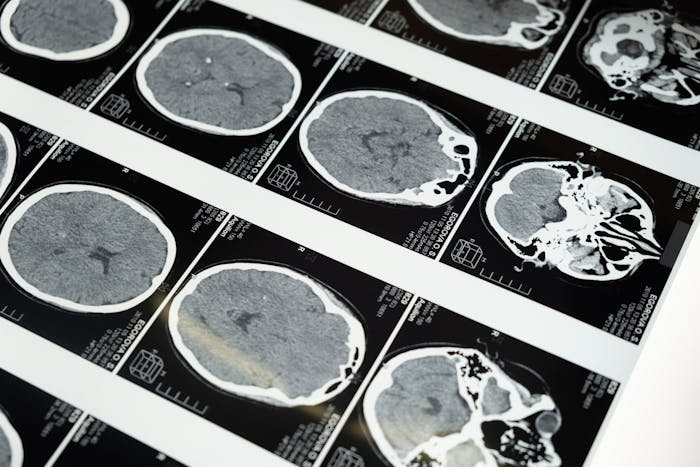
Addiction involves complex brain mechanisms, particularly the dopamine reward system, which reinforces behaviours that feel pleasurable to you.
Alcohol is a substance that activates this system, leading to habits forming over time.
Research has suggested that GLP-1 receptors are present in brain areas that are involved in the reward processing system. These areas play a key role in cravings and substance use. [2]
What Does the Current Research Tell Us About GLP-1s and Addiction?
Although research is still developing, both animal and human studies have provided results indicating there could be a link between taking GLP-1s such as Mounjaro and a reduction in alcohol cravings.
In animal experiments, rodents given GLP-1 medications drank less alcohol and showed fewer alcohol-seeking behaviours. Researchers think this is due to the drug’s dampening effect on the dopamine response linked to alcohol consumption. [3]
Human research is a growing field within this area, but a recent study showed a correlation between the use of GLP-1s and the reduction of substance use disorders. [4]
Could GLP-1 Medications Such As Mounjaro Affect Alcohol Cravings?
While these medications are not currently approved for addiction treatment in rehabs, they may eventually become a supplementary tool in alcohol recovery programmes.
The use of GLP-1s may have benefits, including:
- Reduced cravings for alcohol
- Less rewarding sensations from drinking
- Better impulse control with addictive behaviours
However, it is important to remember that this medication alone is unlikely to address both the psychological and behavioural aspects of alcohol dependency and alcohol addiction.
Importance of Rehab Treatment for Alcohol Addiction

Experts highlight the importance of a combination approach to treatment for reducing alcohol use. This includes both medical and psychological support.
Evidence-based treatments for alcohol use disorder and alcohol addiction could include:
- Cognitive Behavioural Therapy (CBT)
- Motivational Interviewing
- Group peer support groups such as Alcoholics Anonymous, Narcotics Anonymous or SMART Recovery
- Medically supervised detox and rehabilitation programmes
If you are prescribed GLP-1 medications, they would likely work best alongside the above interventions, instead of replacing them.
Safety Concerns of GLP-1s
GLP-1 medications can cause side effects, especially when first starting treatment.
According to the NHS, common side effects of GLP-1s such as Mounjaro include nausea, vomiting, diarrhoea, and stomach upset. [5]
There can also be some more serious but rare risks of taking GLP-1s, such as pancreatitis and issues with the gallbladder. These medications should therefore be taken only under medical supervision.
Additionally, these drugs are typically prescribed for certain types of conditions, such as diabetes or obesity. Using them for other purposes, like alcohol use disorder, is not currently standard medical practice.
Are GLP-1s the Future of Alcohol Addiction Treatment?
The possibility that medications affecting metabolic rates could be used to support treating addictive disorders like alcohol addiction has established a new field of research.
As scientists gradually learn more about how exactly GLP-1 effects the brain’s reward system, these drugs may become part of a wider treatment plan for managing alcohol cravings.
However, for now, the evidence, while promising, is preliminary.
For those struggling with alcohol use, the first line of seeking help remains to seek professional guidance from a healthcare provider or addiction specialist who can make sure you receive the support that’s best for you.
References
[2] https://jamanetwork.com/journals/jamapsychiatry/fullarticle/2829811
[3] https://pmc.ncbi.nlm.nih.gov/articles/PMC10371247/
[4] https://www.bmj.com/content/392/bmj-2025-086886
- Share Post: