

- Home
- Addiction Guides
- How Long Does 2Mg Diazepam Take to Wear Off
How Long Does 2Mg Diazepam Take to Wear Off
Diazepam, usually referred to under the brand name of “Valium”, is a prescription benzodiazepine – a member of the sedative family of substances.
Generally, diazepam is prescribed to individuals who struggle with a variety of different issues in the field of muscular problems such as spasms and seizures, but also for anxiety and, in some cases, for alcohol withdrawals.
Diazepam must be prescribed by a medical professional; it can be highly addictive in the long-term and if not properly managed and administered as necessary.
However, prolonged use (or use beyond the individual’s prescription) can also occur, especially if the individual has been consuming diazepam for a long period of time and becomes dependent on it.
This leads to recreational use – or use beyond the individual’s prescription – that can have serious consequences and long-term health impacts to the individual and those around them.
This blog post will focus on diazepam as a substance, its uses in the medical field, and the dangers of addiction when medical advice is not followed.
What is diazepam usually prescribed for?
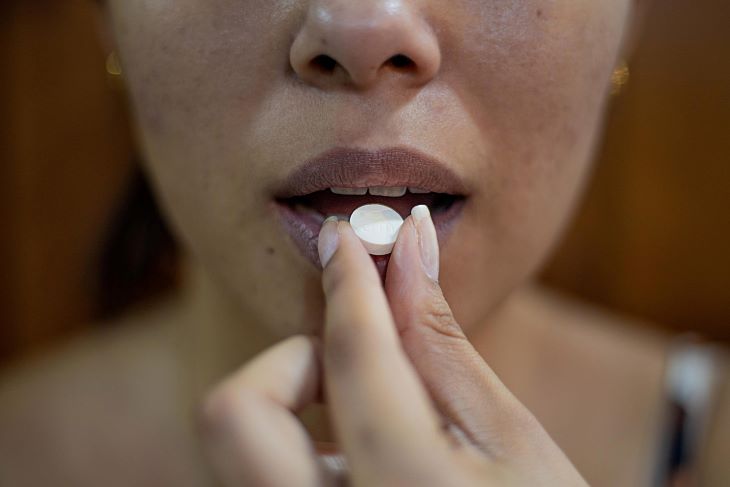
As a prescription substance, diazepam is prescribed for conditions such as anxiety, some instances of alcohol withdrawal (as a result of an addiction to alcohol), and muscular conditions such as spasms and seizures.
In general, an individual’s prescription for a course of diazepam will likely only last between 2 to 4 weeks to reduce the risk of developing a dependence on the substance.
After these 4 weeks, individuals will need to visit their medical prescriber to gain further support for their pre-existing condition(s) or to start the rehabilitation process if they have developed an addiction.
Studies have shown that diazepam can be effective in a range of different situations and for a range of different conditions.
For example, one study found that there was a significant reduction in muscular-based symptoms of spastic cerebral palsy in children (1), though greater care should always be taken with young people and their development.
How does diazepam work?

As a benzodiazepine, diazepam is known to have strong sedative effects – one of the leading reasons in why it can be effective in the treatment of muscular spasms and seizures.
Within the body, diazepam directly affects the neurotransmitter, GABA (gamma-aminobutyric acid) which is the central nervous system’s (CNS’s) primary neurotransmitter.
In general, GABA is associated with calming brain activity and slowing this down – all a vital part of regulating stress and anxiety within the body.
When an individual consumes diazepam, the effects of GABA are enhanced, meaning that the individual is likely to experience greater relaxation within specific areas of their body, including the slowing down of brain activity, but also in the relaxation of muscles that may be particularly tense or “locked up”.
How is diazepam removed from the body?

Within the brain, there are specific receptors for GABA (GABA-A and GABA-B). Diazepam binds to the GABA-A receptors in the brain to slow down brain activity, but how does it leave the body?
Like most neurotransmitters in the body, diazepam will eventually work its way out of the body via the liver.
When consumed, although the vital parts of diazepam are transported to the brain, all parts are eventually broken down in the liver and expelled from the body in urine.
Typical doses of diazepam: what quantities are people prescribed?

There is no set dosage for an individual requiring diazepam, and this will instead be determined by a number of different personal and health factors.
For example, a short and light male will not be prescribed the same dosage as a tall and heavy female, generally; this could have serious health consequences and cause additional issues beyond those that the individual is consuming diazepam for.
Typically, diazepam comes in a number of different dose strengths, but this may also affect how often the individual is prescribed to take the substance.
For example, individuals may be prescribed smaller doses more regularly, or they may be prescribed relatively larger quantities less frequently – this all depends on the condition that they are treating, their personal health, and the advice of their medical prescriber.
Factors that will affect how long diazepam stays in the body

However, what can be more easily predicted is how long the diazepam will stay in the body, and this can be determined by a number of different factors.
As every individual is different, everyone will process diazepam differently in the body, whether this is how quickly it binds to the receptors in the brain, or how quickly it works its way out of the body as a waste product.
Generally, the factors that have the most influence over this are as follows:
- Metabolic rate
- Age
- Body weight
- Gender
Please bear in mind that there are many other factors that can also influence how long diazepam will stay in the body, but these can be very specific or wide-ranging and vary from person to person.
The following subheadings outline some of these factors in more detail, showing how diazepam may be affected by each one of these in terms of how long it stays in the system or takes to “wear off”.
1. Metabolism

Metabolism, or an individual’s metabolic rate, is the term used to describe how much energy an individual uses up within a certain length of time.
This can affect many different areas of an individual’s life, including how much they eat and how quickly this works through their body, as well as how quickly substances may be broken down in the body.
An individual’s basal metabolic rate (BMR) is calculated by determine how many calories an individual’s body uses to stay alive.
Generally, the following equation can be used:
- Males – 10 x weight (kg) + 6.25 x height (cm) – 5 x age (years) + 5
- Females – 10 x weight (kg) + 6.25 x height (cm) – 5 x age (in years) – 161
A faster metabolism generally means that individuals require more calories to maintain everyday functioning, but this would also increase the speed at which these calories are “used up”, as well as how long diazepam lasts in the body.
2. Age

Generally, the older an individual, the slower bodily processes tend to be. Though this is not true in all cases and for all bodily functions, it is true for diazepam consumption and its uptake.
For example, older individuals may experience increased sensitivity to diazepam, but also a longer time before diazepam has exited the system.
This is why additional care is taken during the prescription stage of this process as every individual will require different quantities of diazepam and this can be challenging to determine if the individual has a significantly slower uptake rate as a result of their age.
3. Weight

Diazepam is a fat-soluble substance (a lipophilic substance) which means that it can dissolve in fat, as well as in other areas of the body.
If an individual is carrying more fat on their body, then the distribution of diazepam in the body may be significantly different from someone who carries less fat.
In addition, increased fat in the body can also cause delays to the effects of diazepam, often altering how often individuals may feel as though they need to consume the substance, as well as taking multiple doses in a row if they do not feel as though they are experiencing the effects as intended.
Weight is one of the most commonly referred-to factors when calculating dosage for individuals prescribed diazepam and this is especially true for young children and/or those with severe cases of muscular spasms.
4. Gender

Though most dosages will be determined by an individual’s age and weight, gender may also play a role in how diazepam is broken down within the body.
For example, one study found that sex also affected how diazepam was distributed in the body, as well as how its half-life was determined – though this was also found to change with age, though still between sexes (2).
This is something that medical professionals are aware of, though it may not take as much precedence as age and weight. Individuals should always follow their prescribed course of substances and consult their prescriber should any issues arise.
Rehabilitation for addiction to diazepam and other opioids

If an individual does find that they have developed an addiction as a result of a prescribed course of diazepam, or outside of a prescription, help can be found in a multitude of places.
First, an individual should consult their medical prescriber to inform them and to get some further advice and information.
From this, an individual may need to attend rehabilitation, either in a rehab centre or through local rehabilitation services that are available across the UK.
Getting help with Rehab Recovery today

Through Rehab Recovery’s addiction referral service, no individual will be judged or made to feel embarrassed about their addiction, no matter what.
To learn more about addiction, diazepam, or any other addictive substance, call out support line on 0800 088 66 86 today.
References
[1] Mathew, A., Mathew, M.C., Thomas, M. and Antonisamy, B., 2005. The efficacy of diazepam in enhancing motor function in children with spastic cerebral palsy. Journal of tropical pediatrics, 51(2), pp.109-113.
[2] Ochs, H.R., Greenblatt, D.J., Divoll, M., Abernethy, D.R., Feyerabend, H. and Dengler, H.J., 1981. Diazepam kinetics in relation to age and sex. Pharmacology, 23(1), pp.24-30.
- Share Post: